SaaS Is Doubling Down on Animated Video
Building Trust Through Virtual Interviews
Interview Video Mistakes (And How to Avoid Them)
One Interview. Ten Pieces of Content
How to Measure the ROI of On-Hold Messaging
Storytelling Techniques for Animation
Tech Evolves But Experience Leads
When To Use Virtual Interview Video
Slop Content: Hurting Brands One Post at a Time
Corporate Animation: 2D or 3D?
AI And Video Production – Ethical Uses
Lower Call Handling Time with IVR
Animation vs. Live-Action Video: A Strategic Guide
10 Marketing Uses For Virtual Interview Videos
On-Hold Messaging – Mistakes to Avoid
The Science of Engagement: Why Animated Videos Keep Viewers Watching
Virtual Interview Videos: Bridging the Distance
Humanize Your Brand With Video Production
IVR: Improving Customer Support in Manufacturing
Animation: Turning Your Data Into Story
Answering the Call (IVR & On Hold Messaging)
Virtual Interview Videos: The Future of Corporate Video
Video Production for Trade Show Success
Why Real Human Voiceover Beats Ai for Corporate Video
Powering the Future: How Video Helps Ontario’s Energy Manufacturing Expansion
Assisting Ontario’s Manufacturing Operations
The Power of Professional Video Production
Why Authentic Video Production Beats Stock Footage Every Time
Using AI Video Platforms for B-Roll – Pros & Cons
How to Set Up Your Videos on YouTube for Maximum Visibility in 2025
Get Your Videos Listed on YouTube’s Suggested Videos Column
How to Get Attention to Your Videos with Custom Thumbnails
Optimizing Your Videos for SEO
7 Tips for writing Corporate Videos Scripts
5 Tips For a Great On-Camera Interview
Enhancing Presentation Impact: Converting PowerPoint to Animated Video
3D Animation Production Stages
The Importance of Interview Videos
3 Tips For Choosing an Animation Company
Virtual Video Production: The Future of Video Production?
The Importance of Animation in Corporate Video
All About Video Production – #1
All About Video Production – #2
Video Production Tips and Tricks – #1
Video Production Tips and Tricks – #2
Green Screen Production Techniques
How to Light a Scene for Interviews
Video Editing Software Ain’t Cheap
After We Shoot … We KEEP Editing
What Are Camera Gimbals and How Do They Work?
What’s the Deal With Green Screens?
Should You Use Tungsten or LED Lights to Shoot Videos?
Should You Use a Camcorder or DSLR to Shoot Videos?
Adventures in Video Production, Equipment Safety
Adventures in Video Production
Video Translation – Reach Your International Audiences
Keeping your Cool in Hot Weather or Cold Weather
How Important is Luck and Timing to a Business or Career?
Captains Blog: “Driving in Toronto is Easy”
Captain’s Blog: Natural Light From Windows Can Be a Blessing and a Curse
What I Learned After Filming 20 Interviews in Two Days
T-Minus Two Minutes and Counting
Make Your Thumbnail Image Stand Out with Colour
Why are your Video Production Thumbnails Important?
Video Production Oakville – About Face
Video Metrics Benefit Influencers
Fine Tune Your Video Marketing Strategy
Successful Video Marketing in Oakville
The Continued Growth of Mobile Video
Strategic Insights for your Oakville Campaign
Video Production Strategy in Oakville
Live Video Streaming in Oakville
Long Term B2B Value With YouTube
Video Production – Talking Heads
Top 5 Reasons to Incorporate Video into Your Marketing Plan
Professional vs User Generated Content
Professional vs DIY Web Design
When it comes to your business – hire a professional
Online video is the business card of the 21st century
Video to drive foot traffic to your trade show booth
Superbowl Commercial Fun Facts
Why hire a Video Professional?
4 Reasons to Have an Online Video Profile
Top 5 Benefits of Online Video Marketing
A Formula for Success in Oakville
Blog

SaaS Is Doubling Down on Animated Video
Attention is the most valuable currency in business. In SaaS, it determines everything. As competition intensifies and product offerings become more complex, companies are under mounting pressure to communicate value faster, clearer and more persuasively than ever before. This is precisely why SaaS companies are doubling down on animation and …
Keep Reading

Building Trust Through Virtual Interviews
Trust is the single most valuable currency in business communication. Companies are not just competing solely on product, price, or service… they’re competing on credibility. And in a market like Toronto, where industries are saturated with sophisticated video production, audiences have developed a sharp instinct for what feels genuine and …
Keep Reading
Interview Video Mistakes (And How to Avoid Them)
Interview video has become one of the most powerful tools for building trust, communicating expertise, and telling authentic brand stories. Whether it’s a client testimonial, executive message, or employee spotlight, audiences consistently gravitate toward real people sharing real experiences. But here’s the reality: not all interview videos are created equal. …
Keep Reading

Short-Form Animated Content
Corporate brands are under increasing pressure to communicate clearly and effectively. Attention spans are shrinking, platforms are multiplying and decision-makers are consuming content in more fragmented ways than ever before. For organizations investing in animation production in Toronto, the question is no longer whether to use animated video but how …
Keep Reading
One Interview. Ten Pieces of Content
Organizations are under more pressure than ever to produce material across their channels. Websites need fresh blog posts. Social platforms require a steady stream of short-form videos. Sales teams want compelling case studies. Leadership teams want thought-leadership pieces. And all of it needs to feel authentic, polished and aligned with …
Keep Reading

How to Measure the ROI of On-Hold Messaging
A Strategic Guide for Marketing Leaders Who Want Measurable Results In boardrooms across Toronto and throughout North America, marketing leaders are asked the same question: “What’s the ROI?” Whether the investment is in video production, animation, paid media, or a virtual video campaign, accountability is the expectation. Every dollar must …
Keep Reading

Storytelling Techniques for Animation
Technology changes. Platforms evolve. Attention spans shift. But storytelling? That’s the constant. For many years, businesses across Toronto and throughout Ontario have been investing heavily in video production. More specifically, they’re turning to Animation as a strategic tool within their broader corporate video strategy. The reason is simple: animation has …
Keep Reading

Tech Evolves But Experience Leads
The video production industry has always evolved in waves. Physical media gave way to digital distribution. Expensive broadcast cameras and equipment became smaller and highly accessible to smaller teams. Editing software moved from specialized studios to laptops. Publishing shifted from hardware like Beta SP to DVDs to one-click global distribution. …
Keep Reading

When To Use Virtual Interview Video
Virtual Interview Video Production is no longer a backup plan. It is no longer a “pandemic workaround.” Virtual interviews have become a strategic tool for organizations that value speed, scalability, authenticity and geographic flexibility. When executed professionally, virtual interview videos can rival traditional production formats while offering advantages that in-person …
Keep Reading

Slop Content: Hurting Brands One Post at a Time
Content has never been easier to create. With a few prompts and clicks, brands can publish blogs, videos, animations, captions and social posts at a pace that would have been unthinkable just a few years ago. At first glance, this feels like progress. In reality, it has created a growing …
Keep Reading

IVR Compliance in 2026
As we move forward now in 2026, voice remains one of the most trusted and heavily used communication channels for organizations… even though chatbots, AI assistants and self-serve portals continue to expand. For many customers, suppliers, job candidates and partners, the very first brand interaction still happens over the phone. …
Keep Reading

Corporate Animation: 2D or 3D?
When it comes to video production in Toronto, animated video is no longer a marketing luxury item… it’s a core communication tool in the corporate video toolbox. Organizations rely on video to explain what they do, how they do it and why it matters. As companies invest more strategically in professional video …
Keep Reading

AI And Video Production – Ethical Uses
Artificial intelligence has moved rapidly from experimentation to execution in corporate video production. What once felt futuristic is now embedded in everyday workflows (editing timelines, animation pipelines, localization processes and even on-camera performance). For organizations across Toronto, Oakville, and throughout Ontario, this shift has created both opportunity and risk. At …
Keep Reading

Video Content Systems
Why Every Company Needs a Video Content System… Not Just a Video For more than a decade, companies in Toronto have been investing in video (brand videos, product explainers, testimonials, training modules, event recap videos, you name it). But the way organizations use video has fundamentally changed. In 2025 and …
Keep Reading

Lower Call Handling Time with IVR
When it comes to call centres, speed is no longer just a competitive advantage… it’s an expectation. Customers in Toronto, throughout Ontario and across North America expect instant results: immediate answers, quick delivery, rapid service. But for many organizations, one of the biggest bottlenecks still happens in a place that …
Keep Reading
Animation vs. Live-Action Video: A Strategic Guide
Why Smart Organizations Across Toronto and throughout Ontario Choose Groovy Concepts to Bring Their Message to Life Communication is not just a support function. It’s a strategic differentiator. Organizations in Toronto and across Ontario are competing not just on product, service, or innovation, but on clarity. On persuasion. On the …
Keep Reading

10 Marketing Uses For Virtual Interview Videos
Why Virtual Interview Videos Are Transforming Marketing in Ontario Marketing directors are under pressure to produce more video content than ever before. Whether you’re leading marketing for a Toronto tech firm, a manufacturer in Southwestern Ontario, or a corporate team headquartered elsewhere in Ontario, the need for fast, authentic, high-quality …
Keep Reading

Short-Form Vertical Videos
Every scroll is a new opportunity. Every second of attention is a potential new client or even the start of a long-term partnership. For companies across Toronto, Oakville, and throughout Ontario, short-form vertical video has become one of the most powerful ways to reach audiences (internally, externally, and socially). It’s …
Keep Reading

On-Hold Messaging – Mistakes to Avoid
Every business wants to sound professional on the phone. After all, your phone system is often your customers’ first real interaction with your company. But what happens when that experience starts with silence, static, or a robotic voice that repeats the same sentence over and over? It’s more than a …
Keep Reading

The Science of Engagement: Why Animated Videos Keep Viewers Watching
When it comes to corporate communication (especially in today’s online marketing climate), one challenge consistently appears above the rest: keeping your audience engaged. Whether you’re presenting a new product, training your staff, or launching a digital campaign, attention is the currency of modern marketing…and it’s getting harder to earn every …
Keep Reading

Virtual Interview Videos: Bridging the Distance
The ability to communicate clearly and authentically (across cities, countries, and even continents) has never been more essential. Whether you’re a growing organization in Oakville or a multinational headquartered in Toronto… the one constant challenge remains: how to capture professional, engaging interview videos when your interviewees are spread far and …
Keep Reading

Humanize Your Brand With Video Production
Brands today compete not only for attention… but for emotional connection. Over the past decade, corporate video production has evolved from being a purely informational tool into a medium for storytelling, empathy, and trust-building. Whether it’s a recruitment video, product promo, company profile, or an animated explainer, storytelling is the …
Keep Reading

IVR: Improving Customer Support in Manufacturing
How Professional Voice Production Enhances the Caller Experience Across Canada’s Manufacturing Industry Canadian manufacturers are not only judged by their product quality and production efficiency… customer support and communication matters just as much. While many manufacturers across Ontario (and Canada) are investing heavily in automation, digital transformation, and data-driven operations, …
Keep Reading

Animation: Turning Your Data Into Story
They say that “information is the new currency”. Although this statement may be a totally overused cliché these days, it does ring true in so many ways. Every organization (from financial institutions and healthcare providers to utilities and manufacturing firms) collects mountains of data daily. Yet, the real challenge isn’t …
Keep Reading

Answering the Call (IVR & On Hold Messaging)
When a potential or existing customer dials your business, chances are the very first “voice” they hear is not one of your live agents… it’s an IVR greeting or phone prompt. Yet, for many organizations in Canada, little thought goes into what that prompt says, how it sounds, or whether …
Keep Reading

Virtual Interview Videos: The Future of Corporate Video
Organizations of every size and sector face a common challenge: how to communicate authentically and effectively when time, distance, and budgets are tight. From multinational enterprises with global customer bases to local businesses serving niche communities, the need for clear, engaging video production has never been greater. Enter Virtual Interview …
Keep Reading

Video Production for Trade Show Success
Trade show season is one of the most important times of year for Ontario manufacturers. As fall approaches, many companies are preparing to showcase their products, innovations, and expertise at industry events across the province and beyond. With so much competition on the trade show floor, the question becomes: how …
Keep Reading

Why Real Human Voiceover Beats Ai for Corporate Video
Corporate video has become an essential communication tool for companies in every industry. From video production explainer content to animation for training and from virtual interview video case studies to promotional showcases… organizations rely on media to connect with clients, employees, and stakeholders. But within the manufacturing sector in Southwestern …
Keep Reading

Powering the Future: How Video Helps Ontario’s Energy Manufacturing Expansion
In recent years, Ontario manufacturing (particularly in the energy and nuclear sectors) has entered a period of significant transformation and growth. Southwestern Ontario, long known as a hub for automotive and advanced manufacturing, is now becoming a critical player in nuclear infrastructure, clean energy technologies, and high-value fabrication. Projects like …
Keep Reading
Assisting Ontario’s Manufacturing Operations
In Southwestern Ontario’s manufacturing sector, staying competitive means more than just having advanced equipment or streamlined operations. Manufacturing operations are increasingly realizing the power of corporate video production as a versatile, high-impact tool to drive communication, marketing, training, and recruitment efforts. Whether through marketing videos, training content, animated explainers, or virtual interview videos, manufacturers …
Keep Reading
The Power of Professional Video Production
Video production has been the dominant force in marketing, training, and internal communications for many years now. Companies large and small are increasingly aware of video’s power to engage audiences, explain complex ideas, and humanize their brand. But as demand for video grows, many businesses face a key decision: should …
Keep Reading

Why Authentic Video Production Beats Stock Footage Every Time
By Groovy Concepts, Corporate Video Production Experts in Oakville, Ontario Stock footage often gets a bad reputation and while some of it may be warranted, it’s worth acknowledging where it shines… and where it doesn’t. There’s no denying that stock video has its place. It’s quick to access, cost-effective, and …
Keep Reading
Using AI Video Platforms for B-Roll – Pros & Cons
Over the past couple years, the use of artificial intelligence in video production has increased dramatically; especially for social media content creation. For corporate video, one area of AI that’s seeing a significant increase is the creation of AI-generated b-roll footage. From interviews to promotional content, b-roll is a key …
Keep Reading

How to Set Up Your Videos on YouTube for Maximum Visibility in 2025
In 2025, YouTube remains a dominant platform for content creators, businesses, and professionals aiming to reach a global audience. With the ever-evolving landscape of video content, it’s crucial to optimize your videos for maximum visibility. This comprehensive guide will delve into best practices for video production, animation, and virtual interview …
Keep Reading

Get Your Videos Listed on YouTube’s Suggested Videos Column
YouTube’s “Suggested Videos” column is a prime spot for driving views, increasing channel subscribers, and boosting overall engagement. Positioned alongside the video currently being watched, suggested videos are a key traffic source for many Oakville companies. In this blog, we’ll dive deep into actionable strategies and insights on how to …
Keep Reading

How to Get Attention to Your Videos with Custom Thumbnails
In the ever-growing world of online video content, standing out can feel like a monumental task. Whether you’re focusing on video production in Oakville, creating compelling animated videos, or producing engaging interviews, one of the most effective ways to grab attention is through well-designed custom thumbnails. These small yet powerful …
Keep Reading

Optimizing Your Videos for SEO
Video Production Oakville – The Captain’s Blog: Video is an integral part of online content consumption. It’s safe to say that we all understand the importance of creating captivating corporate videos that engage your target audience and clientele. However, creating great videos alone is not enough. To maximize their reach …
Keep Reading

What is Motion Graphics?
Video Production Oakville – The Captain’s Blog: In the realm of video production, Motion Graphics animation has emerged as a powerful tool for conveying information, captivating audiences, and enhancing corporate videos. With its seamless integration of graphic design, animation techniques, and storytelling elements, Motion Graphics animation has revolutionized the way …
Keep Reading

7 Tips for writing Corporate Videos Scripts
Video Production Oakville – The Captain’s Blog: In the world of corporate video production, crafting an effective script is crucial to the success of your message. At Groovy Concepts, we understand that some clients prefer to write their own scripts, but we also recognize the challenges they may face. To …
Keep Reading

5 Tips For a Great On-Camera Interview
Video Production Oakville – The Captain’s Blog: In the world of corporate video, interviews play a vital role in conveying the message and vision of a company. Being interviewed by a corporate video production company can be a valuable opportunity to showcase your organization’s story and engage with your audience. …
Keep Reading

Enhancing Presentation Impact: Converting PowerPoint to Animated Video
Video Production Oakville – The Captain’s Blog: In today’s fast-paced digital world, effective communication is paramount for businesses to succeed. PowerPoint presentations have long been a popular tool for conveying information, but they often lack the engagement and impact necessary to capture and retain audience attention. Fortunately, there is a …
Keep Reading
3D Animation Production Stages
Video Production Oakville – The Captain’s Blog: Companies are always looking for innovative ways to stand out from the competition. One way they do this is by incorporating 3D animation into their corporate video productions. Oakville, Ontario is home to many businesses and corporations that use this technique to showcase …
Keep Reading

The Importance of Interview Videos
Video Production Oakville – The Captain’s Blog: In today’s digital age, video production has become an integral part of corporate marketing strategies. Among the different types of corporate videos, interview videos have gained immense popularity in recent years. Interview videos provide a unique opportunity for companies to showcase their credibility, …
Keep Reading

3 Tips For Choosing an Animation Company
Video Production Oakville – The Captain’s Blog: In today’s world of digital marketing, video production has become an essential tool for businesses to promote their products and services. Corporate videos are a popular form of video content and animation is an effective way to create engaging and visually appealing videos. …
Keep Reading

Virtual Video Production: The Future of Video Production?
Video Production Oakville – The Captain’s Blog: In the past few years, the world has experienced a massive shift in the way we conduct our daily lives. The pandemic has forced businesses in Oakville Ontario (and the world) to adapt to remote work environments, and many have realized the benefits …
Keep Reading

The Importance of Animation in Corporate Video
Animation is a powerful tool that can help companies effectively communicate their message, engage with their audience, and drive business results. One of the key benefits of animation in corporate video is its ability to simplify complex concepts and ideas. By using visual elements such as characters, illustrations, and motion …
Keep Reading
All About Video Production – #1
Video Production Oakville – The Captain’s Blog All About Video Production – #1 Video production is generally considered as the professional process of producing video content usually for commercial purposes. Similar to filmmaking, video images are recorded digitally instead of on traditional film stock. Involving three main stages of production, …
Keep Reading

All About Video Production – #2
Video Production Oakville – The Captain’s Blog All About Video Production – #2 There are several types of video production with some of the most common being done for film and TV including television commercials, web or online commercials, corporate videos ( our specialty here at Groovy Concepts ), marketing …
Keep Reading

Video Production Tips and Tricks – #1
Video Production Oakville – The Captain’s Blog Video Production Tips and Tricks – #1 Hello everyone … Captain John Secondi with a few general video production tips and tricks for you … Landscape or Portrait – Which Way Is Up? When shooting video with your mobile phone you should try …
Keep Reading
Video Production Tips and Tricks – #2
Video Production Oakville – The Captain’s Blog Video Production Tips and Tricks – #2 Hello everyone … Captain John Secondi with a few more general video production tips and tricks for you … Video Transitions – Fade To Black There are several popular transitions used in video production such as …
Keep Reading

Green Screen Production Techniques
Video Production Oakville – The Captain’s Blog Green Screen Production Techniques Hello everyone … Captain John Secondi here with some information on how to use green screens in your video production. Most everyone has seen a film or video done using green screen technology. Hollywood blockbusters from Marvel Comics all …
Keep Reading

To Track Or To Pan The Shot
Video Production Oakville – The Captain’s Blog To Track Or To Pan The Shot Hello everyone … it’s John Secondi here with a little bit about tracking and panning your shots. Tracking Shots Most commonly found in high end video production or Hollywood feature films, tracking shots are used when …
Keep Reading

Video File Compression Codecs
Video Production Oakville – The Captain’s Blog Video File Compression Codecs Howdy everyone … it’s John Secondi here’s a continuation of our “Captain’s Blog” regarding Common Video File Formats from earlier this week. When it comes to your video production, there are many different video compression codecs that are helpful …
Keep Reading

Common Video File Formats
Video Production Oakville – The Captain’s Blog Common Video File Formats Howdy everyone … it’s John Secondi here with another instalment of our “Captain’s Blog” from Groovy Concepts. When it comes to your video production, there are many different video formats you may wish to consider. Each of these formats …
Keep Reading

How to Light a Scene for Interviews
Video Production Oakville – The Captain’s Blog How to Light a Scene for Interviews It’s time for another Captain’s Blog from me, John Secondi, at Groovy Concepts – your video production professionals. Shooting video interviews can be a complicated and challenging process. One of the very first things you should …
Keep Reading
Video Editing Software Ain’t Cheap
Video Production Oakville – The Captain’s Blog Video Editing Software Ain’t Cheap Hey everybody … it’s John and it’s Thursday which means it’s time for another Captain’s Blog. For our own video production purposes at Groovy Concepts, we use very high end video editing software installed on very high end …
Keep Reading
After We Shoot … We KEEP Editing
Video Production Oakville – The Captain’s Blog After We Shoot … We KEEP Editing Hello everyone … John Secondi here with a continuation of an earlier “Groovy Blog”. Video production is comprised of many different steps including one of the most important, video editing. Here are a few more of …
Keep Reading

Bigger is Not Always Better
Video Production Oakville – The Captain’s Blog Bigger is Not Always Better Happy Thursday everyone … John Secondi here with another Groovy Post. When it comes to best possible quality with your video production, bigger is not always better. But, what does this actually mean? Most video cameras are now …
Keep Reading
After We Shoot … We Edit
Video Production Oakville – The Captain’s Blog After We Shoot … We Edit. Hello everyone … John Secondi here with another “Groovy Blog”. Video production is comprised of many different steps including one of the most important, video editing. With some minimal experience and training with video editing software, you …
Keep Reading

What Are Camera Gimbals and How Do They Work?
Video Production Oakville – The Captain’s Blog What Are Camera Gimbals and How Do They Work? Hello everyone … John Secondi here with another “Groovy Blog”. Most of the video production work we do at Groovy Concepts involves static setups using traditional tripods, however there are times when using a …
Keep Reading

What’s the Deal With Green Screens?
Video Production Oakville – The Captain’s Blog What’s the Deal With Green Screens? Hey there, it’s John, your friendly neighbourhood video professional here … let’s talk about green screens. What are they, how do they work and when would you want to use them? Green screens are usually smooth green …
Keep Reading

Should You Use Tungsten or LED Lights to Shoot Videos?
Video Production Oakville – The Captain’s Blog Should You Use Tungsten or LED Lights to Shoot Videos? Hello everyone, John at Groovy again. Today’s blog is all about Tungsten versus LED lighting. When it comes to video production, proper lighting creates the mood that effects your viewers. Many video production …
Keep Reading

Should You Use a Camcorder or DSLR to Shoot Videos?
Video Production Oakville – The Captain’s Blog Should You Use a Camcorder or DSLR to Shoot Videos? Hello everyone, John at Groovy again. Today’s blog is all about Camcorders versus DSLR cameras. Many of you may already own a digital SLR camera ( DSLR ) like a Nikon or Canon …
Keep Reading
Adventures in Video Production, Equipment Safety
Video Production Oakville – The Captain’s Blog Adventures in Video Production, Equipment Safety Hello everyone, John at Groovy again. Today I thought I would talk a little bit about equipment safety on the set of a video production, or even at the airport. Your camera is your highest priority. It’s …
Keep Reading

Adventures in Video Production
Video Production Oakville – The Captain’s Blog Adventures in Video Production Canadian Travelog! Hello everyone, John here @ Groovy Concepts – the video production house servicing Toronto and the greater Toronto area. Today I thought I would discuss one of the added bonuses, for the Groovy team, of being involved …
Keep Reading

Video Translation – Reach Your International Audiences
Video Production Oakville – The Captain’s Blog Video Translation; Reach Your International Audiences Hello everyone, John from Groovy Concepts here again. We all know the importance of video production when it comes to delivering one’s important message on all the various platforms i.e. YouTube, Instagram, Twitter, websites, etc. According to …
Keep Reading

Keeping your Cool in Hot Weather or Cold Weather
Video Production Oakville – The Captain’s Blog Keeping your Cool in Hot Weather or Cold Weather Hello everyone, it’s John again, producer here at Groovy Concepts. I spent three days in Montreal last week during the unexpected heat wave. The extremely high temperatures caused 33 heat-related deaths. Taking measures to …
Keep Reading

How Important is Luck and Timing to a Business or Career?
Video Production Oakville – The Captain’s Blog How important is luck and timing to a business or career? Hi everyone, John again, producer here at Groovy Concepts. Groovy Concepts has been creating video productions in and around Toronto for 15 years and people often ask how we got to be …
Keep Reading

Captains Blog: “Driving in Toronto is Easy”
Video Production Oakville – The Captain’s Blog “Driving in Toronto is Easy” Said no one! Hi everyone, this is John from Groovy again. Today I wanted to discuss one of the major challenges in filming a video production in Toronto and the GTA. That is the everyday traffic torture that …
Keep Reading

Captain’s Blog: Natural Light From Windows Can Be a Blessing and a Curse
Video Production Toronto – The Captain’s Blog Natural light from windows can be a blessing and a curse. Hello everyone, it’s John again, producer here at Groovy Concepts. Today I thought I would talk a little bit about the importance of controlling the lighting in the studio when producing a …
Keep Reading
What I Learned After Filming 20 Interviews in Two Days
Video Production Oakville – The Captain’s Blog What I learned after filming 20 interviews in two days. Hello everyone, it’s John again, producer here at Groovy Concepts. Today I will review the pitfalls of filming too many interviews in one day. Shooting interviews can be one of the most challenging …
Keep Reading
T-Minus Two Minutes and Counting
Video Production Oakville – The Captain’s Blog T-Minus Two Minutes and Counting Hello everyone, it’s John again, producer here at Groovy Concepts. Today I thought I would talk a little bit about the evolution of the video industry, specifically the duration of corporate videos. When Groovy was starting out 15 …
Keep Reading
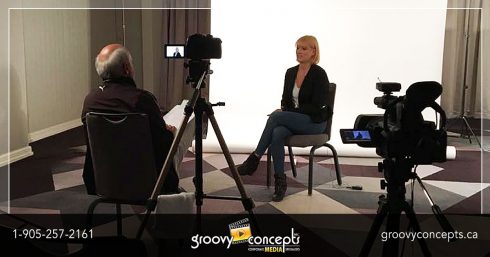
Never Fear the Groovy Camera
Video Production Oakville – The Captain’s Blog Never Fear the Groovy Camera How the Groovy Team helps you to shine in your interview Although some people feel perfectly comfortable with the idea of being interviewed for a video production (including many of you who grew up with Skype and YouTube) …
Keep Reading
A Groovy Adventure
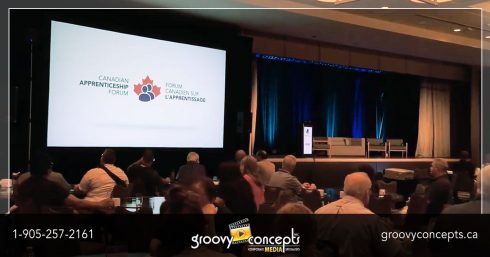
Video Production Oakville – The Captain’s Blog A Groovy Adventure It’s 9:30 a.m. on June 11, a bright Sunday morning. With the film equipment fully loaded, the Groovy Gang heads off to Montreal. Our Mission: To film the Canadian Apprenticeship Forum. The six hours of travel along the 401 from …
Keep Reading

Make Your Thumbnail Image Stand Out with Colour
Video Production Oakville – The Captain’s Blog Another Rule of Thumbnail: Colour Make Your Thumbnail Image Stand Out with Colour Bright colours will make your thumbnail image pop. Of course, that doesn’t mean to go completely overboard. Do just enough to differentiate your video from the others. Don’t settle for …
Keep Reading

Why are your Video Production Thumbnails Important?
Video Production Oakville – The Captain’s Blog Why are your Video Production Thumbnails Important? Your video’s thumbnail is the equivalent of a movie poster. A good thumbnail will attract the attention of viewers and persuade them to click through and watch your video. Because corporate video production in Toronto is …
Keep Reading

Video Production Oakville – About Face
Video Production Oakville – The Captain’s Blog About Face While online video production in Oakville continues to expand into new horizons, it’s important to understand that not all videos are created equally. Depending on your products, services, and message you’ll need to properly plan out your video production strategy prior …
Keep Reading

Video Metrics Benefit Influencers
Video Production Oakville – The Captain’s Blog Video Metrics Benefit Influencer Marketers Influencer marketing is a type of marketing that focuses on using key leaders to expand your brand’s message to the larger market. Rather than marketing directly to a large group of consumers, you can inspire, hire and pay …
Keep Reading

Unboxing Videos
Video Production Oakville – The Captain’s Blog Unboxing Videos Toronto consumers are increasingly turning to YouTube to help them shop. Twenty six percent of shoppers say online videos are their main source for gift ideas, and 32% of shoppers say they plan to use online video more this year for holiday …
Keep Reading

TrueView for Youtube
Video Production Oakville – TrueView for Youtube While many marketers in Oakville are still struggling over view-ability of their videos, YouTube is offering something much more valuable than just views. In March of 2015, YouTube launched Interactive Cards, which enable creators to share product information directly within their videos. Then, …
Keep Reading

Fine Tune Your Video Marketing Strategy
Video Production Oakville – Video Marketing Strategy It’s no secret that video production plays a massive role today in online marketing. In fact, according to HighQ, 52% of marketing professionals worldwide regard video as the type of content with the best ROI. A good video marketing strategy is an essential …
Keep Reading

Globetrotters Video
Video Production Oakville – Globetrotters Video Eight performers from the off-Broadway “Stomp” fixture recently joined forces with Globetrotter stars Bull Bullard, Cheese Chisholm, Firefly Fisher, and Handles Franklin to create a truly amazing viral video. If you’ve been following our recent blogs about the triple-H video marketing strategy, this video is a …
Keep Reading

Using Facebook Video Ads
Facebook video ads yield amazing results for Oakville corporations, marketers, and small businesses (including Oakville video production companies like us) who leverage the platform effectively. Whether your objective is to close sales, build a list, or gain a large amount of new followers, fans, likes, and clicks; Facebook video ads provide a powerful …
Keep Reading

Successful Video Marketing in Oakville
Successful Video Marketing in Oakville Until recently, the most important objectives for Oakville companies with successful video marketing strategies were to educate their customers, expand brand awareness, and increase online engagement. Today, it’s well known to Oakville marketers that online video production can also increase website traffic, leads, and ultimately, sales …
Keep Reading
The Continued Growth of Mobile Video
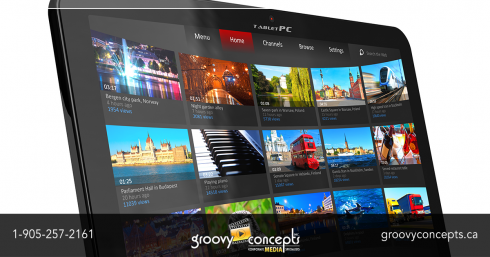
Video Production Oakville – The Continued Growth of Mobile Video These days, video production in Oakville is at an all time high and as you might expect, mobile video consumption is at the forefront of this boom. In fact, a new report states just how dominant mobile video will become over …
Keep Reading

Strategic Insights for your Oakville Campaign
Strategic Insights for your Oakville Campaign The ROI that Oakville based companies get from video production marketing is well worth the time and money invested. That said, strategic planning is the key to whether a video marketing campaign will be a success or a failure. An important ingredient for putting …
Keep Reading

Video Production Strategy in Oakville
Video Production Strategy in Oakville Video production, marketing, and advertising requires strategy if you expect to achieve success and ROI with it. In a competitive market like Oakville, video marketing strategy must not be left to chance. Yahoo recently partnered with Nielsen & Hunter Qualitative to research exactly how to …
Keep Reading

Check Out The Views
We’ve stated many times that research and analytics is paramount when launching and maintaining a video production marketing campaign. Video production can be expensive and Toronto based companies must know which video genres catch the most attention and how well campaigns are doing as they go along. If you are …
Keep Reading

Viral Video In Oakville
Viral Video In Oakville We receive lots of questions from our Oakville based clients about branded viral video (online videos that are heavily shared and talked about… mostly via social media). We all love watching and sharing viral videos and we all seem to understand the social impact of them. …
Keep Reading

Video Title Optimization
Video Title Optimization Oakville is a highly competitive city and market regardless of the company or sector. Oakville based companies really need to think outside the box in order to make themselves stand out and grab attention. Although producing high quality videos and ads can give companies the edge they …
Keep Reading

Live Video Streaming in Oakville
Live Video Streaming in Oakville Building a community around your Oakville based company and connecting with your audience is paramount. Research has shown time and time again that video production is the key to attaining this. In fact, live video streaming is now becoming more and more of a wide …
Keep Reading

Social Video in Oakville
Social Video in Oakville Video is quickly becoming the norm on Facebook and brands and corporations throughout the world are working extremely hard to capitalize on this platform to drive interest and sales to their products and services. What this means for Oakville companies is that if your video production …
Keep Reading

Long Term B2B Value With YouTube
With both its long term discoverability and potential to educate your clients, the YouTube platform offers powerful benefits for B2B companies. And yet, in Oakville, YouTube is one of the most frequently overlooked social media platforms when it comes to B2B marketing. Yes, YouTube is no longer the only social …
Keep Reading

Video Production – Talking Heads
Talking-head videos are a useful tool in building a brand. An onscreen spokesperson discussing the benefits of your products and services or showing demonstrations on how to properly use them has proven results. Many small or micro sized companies in Oakville are also getting in on the mix of creating …
Keep Reading

Script Writing Tips
We get a lot of questions from our clients and associates in Oakville about video production procedure and how we go about writing our scripts. Script writing for a video is of course one of the first steps in the production process and requires a substantial amount of skill and …
Keep Reading
Top 5 Reasons to Incorporate Video into Your Marketing Plan
It’s 2017 and as usual in early February, Oakville companies of all sizes are hitting the ground running launching new marketing campaigns for the opening quarter of the year. Thanks to the winds of change and modern technology, marketing tools and trends today are very different than they were in …
Keep Reading

Success In The Big City
In our 11 years of producing video production content in Oakville, we’ve come to understand one important fact: Oakville is a great city in which to do business. You’d be hard pressed to find a business professional in Oakville that disagrees. Between the treasure trove of corporations, industries, co-operative networks, and of course …
Keep Reading
Professional vs User Generated Content
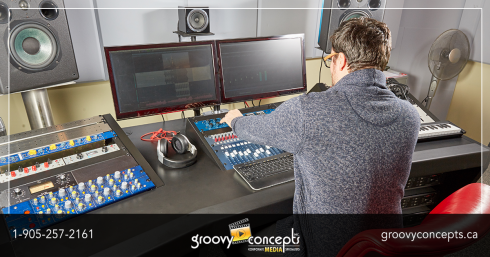
Video Production Oakville – Professional Video Content vs User Generated Content User engagement with video content is higher than ever and the statistics prove it. According to eMarketer, potential buyers are 40% more likely to proactively contact a company after watching their video. In fact, 51.9% of marketing professionals worldwide …
Keep Reading
Professional vs DIY Web Design
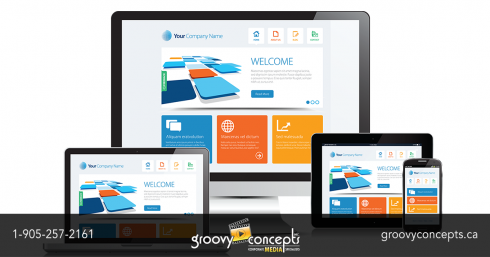
Professional Web Design vs DIY Web Design Need to develop a website? Thinking of using one of the many “Do-It-Yourself” web design sites? These sites claim to be the easy and affordable option, right? I’m sure you’ve all seen the ads on TV and Facebook telling us how easy and …
Keep Reading
When it comes to your business – hire a professional
When it comes to your business – hire a professional In 1985, a year after the Apple Macintosh computer was launched, the first desktop publishing program, Pagemaker, was released for the Mac. It launched a world of professional page layouts and home-made garage sale flyers, all on a home computer. …
Keep Reading

VR & 360 Video (Part One)
VR & 360 Video (Part One) All it took was one epic James Cameron movie to cause a huge hype for 3D video viewing in Oakville. More than 15 years in the making, delayed in part by the need to develop the needed technology to make the film, Avatar was …
Keep Reading
VR & 360 Video (Part Two)
VR & 360 Video (Part Two) In part one, we aimed to explain and highlight the distinctions between Virtual Reality video (VR), 360 video, and of course… the ever failing 3D video. In this week’s article we’ll be touching on the important similarities between these platforms. These particular similarities could …
Keep Reading

Online video is the business card of the 21st century
Online video is the business card of the 21st century As Canadian businesses shift more of their attention online, it’s more important than ever to understand the key trends being seen across the internet. 10 Online Video Trends Every Marketer Needs to Know According to ComScore, Canada continues to lead …
Keep Reading

Video to drive foot traffic to your trade show booth
Video to drive foot traffic to your trade show booth So you’re thinking about marketing your products or services at a trade show, conference or expo. You’ve designed your booth, complete with company banners, flyers, brochures and hand outs. But how will you drive traffic to your exhibit? Video is …
Keep Reading

In Short … Keep it Short!
In Short … Keep it Short! One of the most frequently asked questions we get from our clients is: How long should my corporate video be? There is no magic answer. Ten minutes in real life usually flashes by like a nano-second, but ten minutes on video can seem like …
Keep Reading

Superbowl Commercial Fun Facts
Superbowl Commercial Fun Facts So this is it, the start of the new year. The holidays are wrapped up for another year and we look ahead to our goals for 2017. Signs of spring are still far off, but the countdown to Super Bowl VI begins and with audience numbers …
Keep Reading
Why hire a Video Professional?
Why hire a Video Professional? Though many of us are accustomed to the barrage of media, the impact of video can still be tremendous. We live in a multimedia world with video finding its way into every walk of life. Video screens can be seen on buses, in lobbies and …
Keep Reading

4 Reasons to Have an Online Video Profile
4 Reasons to have an Online Video Profile No matter how much written content and photos you have on your website, they can’t convey as much about you and your services as a video profile. Our Online Profile is a short 1- to 1.5-minute video featuring owners, staff and customers …
Keep Reading

Top 5 Benefits of Online Video Marketing
Top 5 Benefits of Online Video Marketing Online marketing can play a crucial role in promoting your business. Video has become a very cost-effective form of communication allowing you to demonstrate your products and services in ways that photos and text simply cannot. 1 – Show and Tell Statistics show …
Keep Reading
A Formula for Success in Oakville
A Formula for Video Production Success in Oakville There’s a concept in business that people don’t buy products, they buy the expectation of benefits. It is characterized by Leo McGinneva’s famous explanation about why people buy quarter-inch drill bits: “They don’t want quarter-inch drill bits. They want quarter-inch holes.” In …
Keep Reading

Get YouTube to Recommend Your Video
Get YouTube to Recommend Your Video Most of the viewership on YouTube is driven through the “suggested videos” column on YouTube watched pages. This is important to know when developing a YouTube channel for video production with your Oakville based company. In the video production and marketing realm, dominating this …
Keep Reading

5 Steps to Optimizing Thumbnails
5 Steps to Optimizing Video Thumbnails Today video marketing in Oakville is highly competitive. Creating effective custom thumbnails can make all the difference when it comes to a viewer choosing to watch your video, or deciding to watch another. The thumbnail acts as a first impression for your video… it’s …
Keep Reading
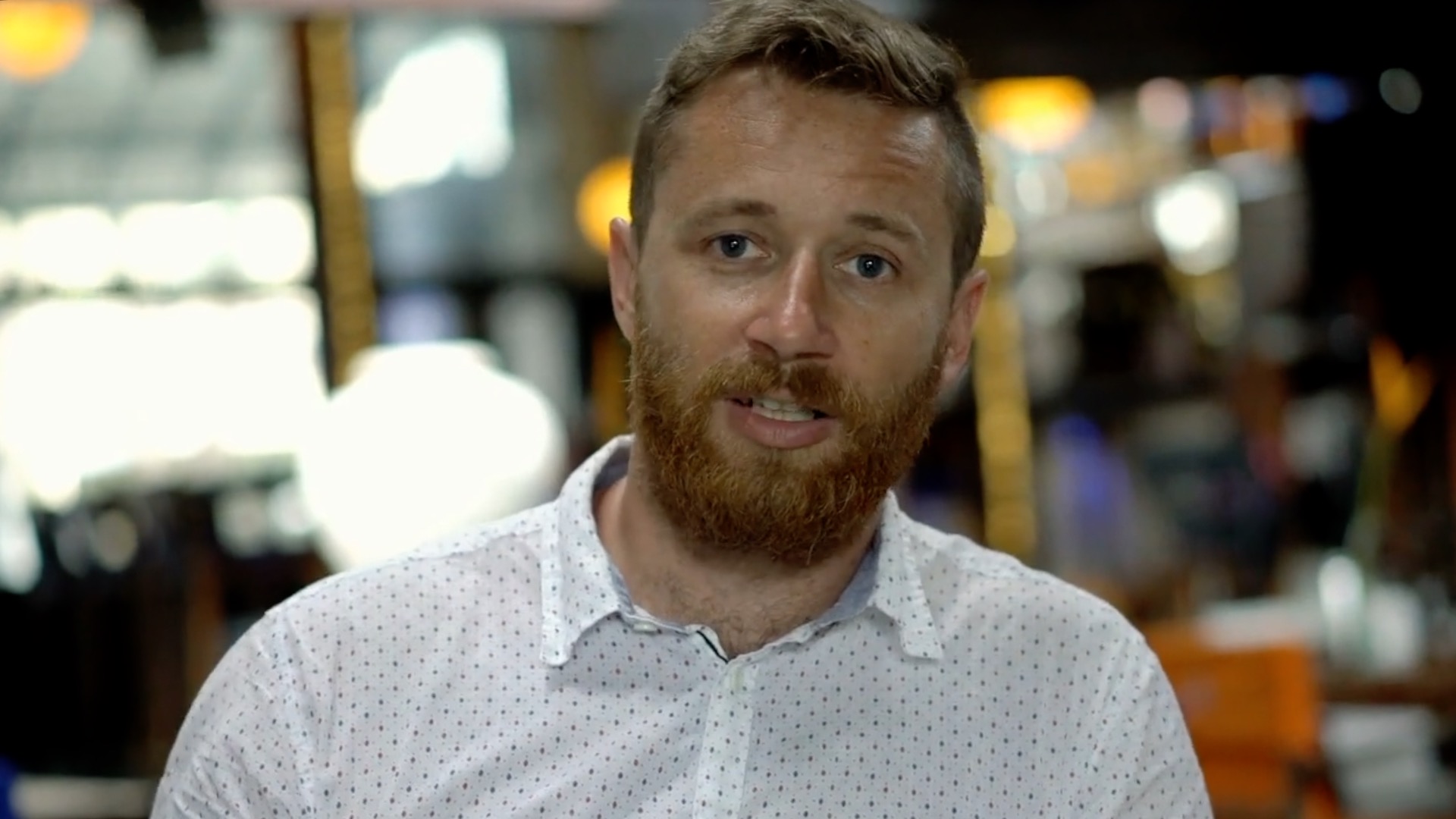
One Interview. Ten Pieces of Content
Organizations are under more pressure than ever to produce material across their channels. Websites need fresh blog posts. Social platforms require a steady stream of short-form videos. Sales teams want compelling case studies. Leadership teams want thought-leadership pieces. And all of it needs to feel authentic, polished and aligned with the brand. For many businesses in Toronto, finding the right approach to video production can make a significant difference in efficiency and quality.
For many organizations across Canada, the challenge isn’t a lack of ideas, it’s the time and resources required to create so much content. That’s especially true for companies looking for professional video production in Toronto, where demand for high-quality marketing content is high and audiences expect polished, professional material.
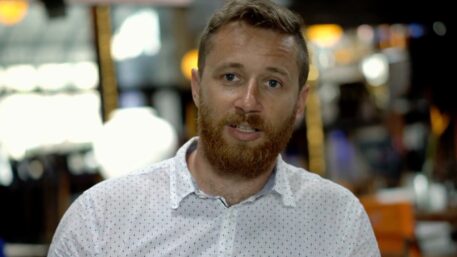
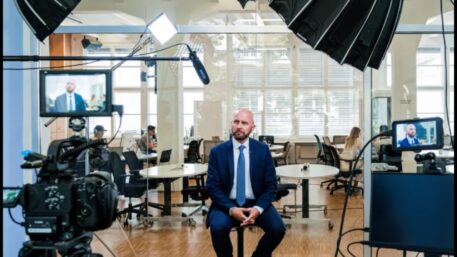
That’s where virtual interview video production is becoming one of the most efficient strategies in modern marketing. Instead of producing multiple separate pieces of content, companies can capture a single, well-structured interview and transform it into a wide range of assets that support marketing, communications, recruitment and sales initiatives. Companies across Toronto are increasingly turning to this method to maximize the value of their content while controlling budgets and timelines.
At its core, this approach is about working smarter with your content. One thoughtfully produced interview can fuel weeks (or even months) of marketing material when planned and produced properly.
Companies looking for video production in Toronto and across Ontario are increasingly adopting this model because it maximizes the value of every production effort while keeping budgets under control.
Below, we explore how a single virtual interview can be transformed into ten powerful marketing assets and why professional video production plays a crucial role in making that possible.
Virtual Interviews Are a Marketing Powerhouse
The traditional approach to video production often involved bringing a full crew on location, coordinating schedules and capturing footage for a single specific purpose. While that approach still has its place, it can be expensive and time-consuming.
Virtual interview production changes the equation.
By leveraging remote production technology, companies can record executives, clients, employees, or industry experts from virtually anywhere while maintaining professional quality. This means organizations can gather valuable insights and stories without the logistical challenges of travel, location permits, or extensive crew setups.
But the real advantage lies in content scalability.
A 30-minute interview with a subject matter expert can contain dozens of valuable insights. With the right production and post-production strategy, those insights can be reshaped into multiple formats tailored for different audiences and platforms.
This is particularly valuable for organizations that need content that reaches regional, national and even global audiences.
The key is capturing the interview properly from the start.
Professional virtual production ensures:
- High-quality video and audio
- Proper lighting and framing
- Structured interview questions designed for multiple uses
- Clean recordings suitable for editing into various formats
When these elements are in place, the interview becomes a content engine rather than just a single video.
Asset #1: The Full-Length Interview Video
The most obvious asset from a virtual interview is the complete, long-form video.
This piece can serve as the cornerstone of your content strategy. It may be hosted on your website, embedded within a blog post, or shared with clients and prospects who want deeper insight into a topic.
Long-form interview videos are particularly valuable for:
- Thought leadership
- Executive messaging
- Customer success stories
- Industry insights
- Educational content
Companies often use these interviews to position executives or subject matter experts as trusted voices within their industries.
With proper editing, pacing and graphics, a long-form interview can feel less like a simple conversation and more like a polished mini-documentary.
Asset #2: Short Social Media Video Clips
Once the full interview is complete, the next step is identifying short, high-impact moments.
These clips typically run between 20 and 60 seconds and are ideal for platforms like LinkedIn, Instagram, TikTok and YouTube.
Short clips work because they focus on a single compelling idea; something surprising, insightful, or highly relevant to your audience.
For example:
- A CEO explaining a new industry trend
- A customer sharing a key benefit of a product
- An expert offering practical advice
One interview can easily generate five to ten social media clips, each serving as its own standalone piece of content.
For businesses investing in video production in Toronto, these short clips often become the most widely shared assets in the entire campaign.
Asset #3: Quote Graphics for Social Media
Not every piece of content needs to be video.
During a well-conducted interview, the speaker will inevitably deliver memorable lines (short statements that summarize a key idea or insight).
These quotes can be transformed into branded graphics for social media posts.
For example:
“The companies that succeed in the next decade will be the ones that communicate clearly and consistently through video.”
A powerful quote paired with a professional image of the speaker can generate engagement on platforms like LinkedIn and reinforce the authority of your brand.
This approach allows your marketing team to continue publishing content even when audiences aren’t actively watching video.
Asset #4: A Blog Article
The insights from a virtual interview can easily be transformed into a written article for your company’s blog.
This format is particularly valuable for search engine optimization (SEO) because it allows you to incorporate relevant keywords and expand on key ideas discussed in the interview.
By turning interviews into written posts, companies can:
- Reach audiences who prefer reading
- Improve search visibility
- Expand on complex topics in more detail
The interview effectively becomes the source material for an entire article.
Asset #5: A Customer Case Study
If the interview involves a client or partner, it can be transformed into a compelling case study.
Customer interviews are incredibly powerful marketing tools because they provide authentic validation from real users.
Segments of the interview can be used to highlight:
- The problem the client faced
- The solution implemented
- The measurable results achieved
Companies increasingly rely on video-driven case studies because they combine credibility with visual storytelling.
A professionally produced case study video can also support sales teams during presentations or proposal discussions.
Asset #6: Sales Enablement Content
Virtual interviews can also generate content specifically designed to support sales teams.
For example, short interview clips featuring executives or satisfied customers can be included in:
- Sales presentations
- Proposal materials
- Email follow-ups
- Landing pages
These assets add credibility and reinforce key messages during the sales process.
Businesses investing in video production often find that interview-based sales content helps prospects better understand their value proposition.
Asset #7: Recruitment Videos
Employee interviews are a powerful tool for recruitment.
A conversation with a team member can reveal authentic insights about company culture, career growth and workplace values.
Clips from these interviews can be used to create:
- Recruitment videos
- Career page content
- Social media posts targeting job seekers
For companies competing for talent in major markets like Toronto, authentic employee stories can be far more effective than traditional recruitment messaging.
Asset #8: Podcast or Audio Content
Another often overlooked asset is audio.
If the interview is recorded with professional sound quality, the audio portion can easily be repurposed into podcast-style content.
Organizations can:
- Release the conversation as an audio episode
- Extract short clips for social media
- Include insights in newsletters
This allows the same content to reach audiences who prefer listening rather than watching.
Asset #9: Educational or Training Material
Subject matter experts often share valuable knowledge during interviews.
Segments of these conversations can be incorporated into:
- Training videos
- Onboarding materials
- Internal communications
This approach helps organizations extend the value of interview content beyond marketing and into internal learning initiatives.
Asset #10: Future Campaign Content
Finally, interviews often contain insights that may not be immediately used but can become valuable later.
For example, a single conversation might generate ideas for:
- Future blog topics
- Upcoming video projects
- Industry commentary
By capturing these insights on video, organizations create a library of expertise that can support future campaigns.
This long-term value is one of the biggest reasons companies invest in professional video production.
Why Professional Production Matters
While virtual interviews may seem simple to produce, the difference between an amateur recording and a professionally produced interview is significant.
Professional virtual video production ensures:
- Consistent lighting and image quality
- Broadcast-level audio
- Effective framing and visual composition
- Seamless editing and storytelling
It also ensures the interview is structured in a way that supports content repurposing.
Without this strategic approach, valuable insights can easily be lost within an unstructured conversation.
Experienced production teams understand how to guide interviews, capture usable soundbites and design the production workflow around future content needs.
The Growing Demand for Virtual Video Production in Ontario
Organizations are embracing virtual production workflows as a way to remain agile and efficient.
Companies seeking video production often need content that can reach multiple audiences quickly—whether those audiences are local, national, or global.
Virtual interview production offers several advantages:
- Reduced travel and logistics
- Faster production timelines
- The ability to interview participants anywhere
- Scalable content creation
For businesses operating in today’s fast-moving digital environment, this flexibility is invaluable.Turning Conversations Into Content Engines
For companies seeking video production, virtual interview production represents one of the most efficient and scalable ways to create high-quality content. With the right strategy, one interview can become ten assets or even more. That kind of efficiency can make all the difference.
That’s where Groovy Concepts comes in. As a leading provider of virtual interview video production in Toronto and across Ontario, we specialize in helping businesses capture authentic stories, maximize every conversation, and transform them into polished, multi-platform marketing content that drives results.