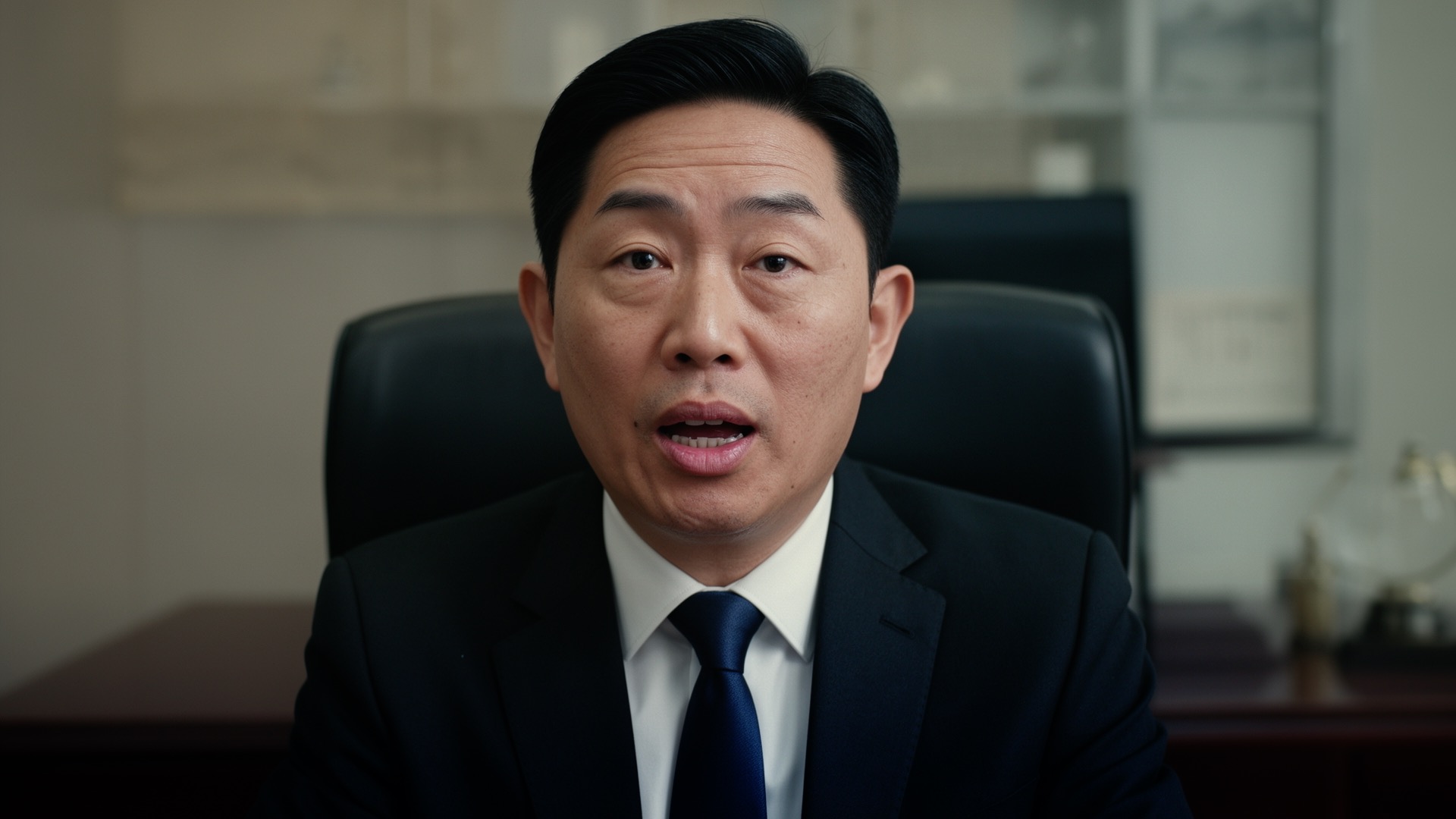
Trust is the single most valuable currency in business communication. Companies are not just competing solely on product, price, or service… they’re competing on credibility. And in a market like Toronto, where industries are saturated with sophisticated video production, audiences have developed a sharp instinct for what feels genuine and what feels manufactured. This is where video production is undergoing a fundamental shift.
Across Ontario and beyond, organizations are realizing that highly scripted, overly produced corporate videos are not necessarily as effective as they once were. Audiences have grown skeptical of messaging that feels rehearsed or disconnected from real human experience. And with the rise of AI generated footage and voiceovers, audiences are really gravitating toward content that feels honest, conversational and emotionally grounded. This is precisely why the interview video format (particularly virtual interviews) has emerged as one of the most powerful tools for building trust.
At the intersection of authenticity and strategy lies a new standard of video production; one that blends human storytelling with professional execution. Companies in Toronto are increasingly turning to specialized partners like Groovy Concepts who understand that trust is not something you script; it’s something you guide, shape and reveal. And when done correctly, interview-driven content doesn’t just communicate a message… it creates belief.
The Trust Deficit in Corporate Communication
The modern audience is more informed (and more skeptical) than ever before. Years of exposure to advertising, corporate messaging and influencers have trained viewers to filter out anything that feels inauthentic. Traditional marketing tactics often fall short because they prioritize control over connection.
This creates what can be described as a “trust deficit.”
Brands say they are innovative. They claim to care about their customers. They present themselves as leaders. But without human proof, these claims often fail to resonate. Viewers are left asking a simple question: “Why should I believe this?”
The answer increasingly lies in people, not messaging.
Why Interview Videos Build Trust
An interview video works because it flips the traditional communication model. Instead of telling the audience what to think, it allows them to witness real perspectives, emotions and experiences.
There are several reasons why this format is uniquely effective:
- Human Presence Creates Immediate Credibility: When a real person speaks (whether it’s a CEO, an employee, or a client) there is an inherent layer of authenticity. Tone of voice, facial expressions and natural pauses all contribute to a sense of honesty that scripted narration simply cannot replicate.
- Imperfection Feels Real: Perfectly polished messaging can feel artificial. Slight imperfections in delivery (when guided correctly) signal that what’s being said is genuine.
- Conversation Over Performance: People are far more comfortable having a conversation than delivering lines. This is where virtual interviews shine. They create an environment where subjects can relax, think and respond naturally.
The Evolution of Virtual Interviews in Video Production
Not long ago, virtual content was often associated with lower quality. Grainy webcam footage, poor audio and lack of direction made remote interviews feel like a pandemic-era compromise.
That is no longer the case.
Today, virtual interviews represent one of the most advanced and scalable forms of video production. With the right expertise, they can rival (or even surpass) traditional in-person shoots in both efficiency and effectiveness.
This evolution has been driven by three key factors:
- Technology Has Caught Up: High-quality cameras, remote recording platforms and lighting tools have made it possible to capture quality footage from virtually anywhere.
- Remote Work Has Normalized the Format: Audiences are now comfortable engaging with virtual content. In fact, it often feels more relatable than studio-based production.
- Direction Has Become the Differentiator: The real gap is no longer technical… it’s human. The difference between an average virtual interview and a powerful one lies in how it is directed…
The Missing Piece: Professional Interview Direction
While many companies attempt to produce interviews internally, they often overlook one of the most critical components: the interviewer.
A strong interviewer does far more than just ask questions. They:
- Guide the conversation toward meaningful insights
- Help subjects articulate their thoughts clearly
- Create a comfortable environment that encourages authenticity
- Identify emotional points that resonate with audiences
Without this level of direction, interviews can quickly become unfocused, overly technical, or simply unengaging. This is where specialized expertise becomes invaluable.
PAGER BREAK
Elevating Trust Through Experience & Process
With video production, experience is not just an advantage… it’s a necessity. Conducting an effective interview requires a deep understanding of human psychology, communication dynamics and storytelling structure.
This is particularly true in virtual interviews, where the absence of physical presence makes connection more challenging.
An elite approach to interview video production combines:
- A seasoned professional interviewer with decades of experience
- A refined direction process tailored to each subject
- Technical teams who understand how to capture and enhance authenticity
- Editors who shape raw conversations into compelling narratives
When all of these elements come together, the result is not just a video, it’s a story that feels real.
The Storytelling Advantage
One of the most powerful aspects of an interview video is its ability to transform simple answers into meaningful stories.
This process involves several layers:
- Discovery: Understanding what the subject truly has to say—not just what they think they should say.
- Extraction: Asking the right questions in the right way to uncover valuable insights.
- Structuring: Organizing responses into a coherent narrative that flows naturally.
- Enhancement: Using editing, pacing and even animated video elements to reinforce key messages without compromising authenticity.
The inclusion of animated video components can be particularly effective when explaining complex ideas. When used strategically, animation enhances clarity while allowing the human element of the interview to remain front and center.
Why Trust Drives Results
Trust is not just a “soft” metric, it has tangible business impacts. When audiences trust what they see, they are more likely to:
- Engage with content
- Share it with others
- Take action (whether that’s making a purchase, applying for a role, or reaching out for more information)
In contrast, content that lacks authenticity often results in low engagement and minimal impact, regardless of production quality.
This is why companies across Toronto and Canada are re-evaluating their approach to video production. They are moving away from purely aesthetic considerations and focusing instead on effectiveness.
The Strategic Advantage of Virtual Interviews
Beyond trust, virtual interviews offer several strategic advantages that make them particularly appealing:
Scalability
Interviews can be conducted with participants across different locations without the need for travel.
Efficiency
Production timelines are significantly reduced, allowing for faster turnaround.
Consistency
A structured interview process ensures a consistent level of quality across multiple videos.
Flexibility
Content can be repurposed into various formats, including short clips, testimonials, and even animated video hybrids.
A New Standard in Interview Video Production
As the demand for authentic content continues to grow, the bar for quality is rising. Companies are no longer satisfied with basic virtual interviews… they are seeking a level of execution that reflects their brand while maintaining genuine human connection.
This is where a specialized approach becomes essential.
An elite virtual interview production process is defined by:
- Deep pre-interview planning and strategy
- A highly experienced professional interviewer
- A production team that understands both technical and human elements
- Editors who can craft narratives that resonate
This combination ensures that every interview is not just recorded but carefully shaped into a powerful communication tool.
The Role of Groovy Concepts
Few companies truly specialize in the art of interview-driven storytelling. Most video production companies focus on production value alone without putting enough thought and effort into the process of interview-driven storytelling
Groovy Concepts has positioned itself as a leader in this space by focusing exclusively on high-end interview video and virtual interviews. With a professional interviewer bringing over 20 years of experience, combined with a team of seasoned producers and editors, the approach goes far beyond traditional video production.
Every project is guided by a unique direction process designed to:
- Draw out genuine, unscripted responses
- Ensure clarity and confidence in delivery
- Capture the nuances that make each story compelling
This level of expertise transforms interviews from simple Q&A sessions into impactful narratives that build trust and drive results.
Blending Human Stories with Visual Enhancement
While authenticity is the foundation, visual storytelling still plays a crucial role. This is where the integration of animated video elements can elevate an interview without detracting from its authenticity.
For example:
- Animated overlays can highlight key statistics
- Motion graphics can clarify complex concepts
- Subtle visual enhancements can maintain engagement
The key is balance. The human story remains the focus, while animation serves to support and amplify the message.
Looking Ahead: The Future of Trust in Video
As we move further into a content-saturated world, the importance of trust will only continue to grow. Audiences will become even more discerning and the gap between authentic and inauthentic content will become increasingly apparent.
In this environment, virtual interviews are uniquely positioned to lead the next phase of video production.
They offer:
- A scalable way to capture real human stories
- A format that aligns with modern viewing habits
- A powerful tool for building genuine connections
Trust Is Earned, Not Produced
At its core, the shift toward interview-driven content reflects a broader change in how we communicate. People no longer want to be sold to, they want to understand and relate to what they are seeing.
An interview video, when executed at a high level, does exactly that. It replaces scripted messaging with real voices. It transforms corporate communication into human conversation. And most importantly, it builds the kind of trust that drives meaningful action.
For companies in Toronto and beyond, the message is clear: the future of video production is not about saying more… it’s about saying it better, through the people who matter most.
And in that future, expertly crafted virtual interviews (supported by thoughtful storytelling and enhanced by professional editing) will continue to set the standard.