Content has never been easier to create. With a few prompts and clicks, brands can publish blogs, videos, animations, captions and social posts at a pace that would have been unthinkable just a few years ago.
At first glance, this feels like progress. In reality, it has created a growing problem that many organizations sense but struggle to define: Slop Content.
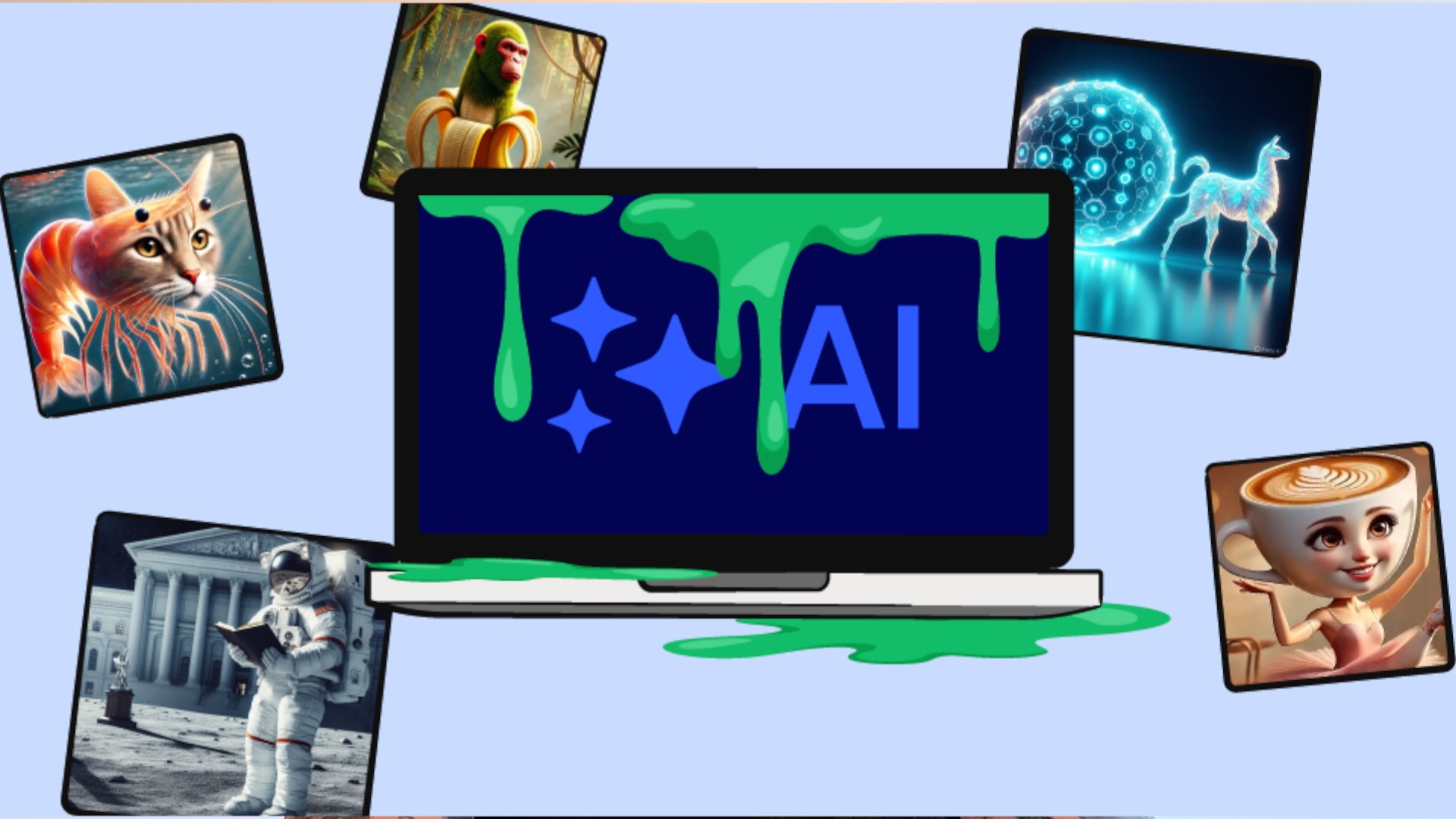
Slop content fills feeds, websites and video platforms with material that looks polished enough, sounds professional enough and technically qualifies as “content,” yet fails to build trust, clarity, or authority. It exists to satisfy algorithms… not audiences.
For organizations investing in video production in Toronto, slop content represents a critical decision point. Do you prioritize speed and volume, or do you invest in craft, credibility and long-term brand value?
This article explores what slop content is, why it exists, why it consistently underperforms and how thoughtful video production and animation are a direct antidote.
What Slop Content Really Is
Slop content is not simply “AI content.” AI is just the accelerant. Slop content is content created without judgment, strategy, or creative accountability.
It is mass-produced, low-differentiation material that:
- Repeats familiar ideas
- Avoids specificity
- Lacks original insight
- Sounds interchangeable with competitors
- Feels emotionally flat
In written form, slop content is forgettable. In video form, it becomes immediately obvious. Viewers can sense when something has been assembled rather than intentionally crafted.
How Slop Content Is Made
Most slop content follows a predictable, automated assembly line:
1. AI-written scripts, blogs, or articles:
Generated from broad prompts that produce safe, generic language with no lived experience.
2. Synthetic voiceovers or AI presenters:
The same familiar AI voices (perfectly smooth, oddly lifeless and instantly recognizable) used across countless videos online.
3. Stock footage or AI-generated visuals:
Clips that loosely relate to the topic but offer no brand specificity or narrative intention.
4. Automated editing tools:
Preset-driven cuts, transitions and pacing with no understanding of emphasis or storytelling.
5. Auto-generated captions and subtitles:
Often inaccurate, especially with industry terminology, names, acronyms and nuanced language.
6. Bulk publishing across platforms:
The same content pushed simultaneously to LinkedIn, YouTube, TikTok, Instagram, blogs and landing pages.
The result is content that technically exists… but rarely connects.
Why Slop Content Is Everywhere
Slop content thrives not because it works, but because the incentives reward-speed over substance.
Algorithm Pressure
Many organizations believe visibility requires constant posting. Volume becomes the goal, not impact.
Budget Sensitivity
Professional video production in a city like Toronto requires planning, strategy and experienced execution. Slop content appears cheaper and faster.
Misunderstanding AI’s Role
AI is excellent at assisting workflows (research, outlines, drafts, etc.). It is not good at judgment, taste, or original thinking. When AI replaces human decision-making, quality collapses.
Content as a Checkbox
When content exists simply because “we need to post something,” slop content is the inevitable outcome.
Why Slop Content Fails
It Erodes Trust
Audiences don’t consciously label something as slop. They simply disengage. Trust is built through clarity, authenticity and specificity, none of which slop content delivers.
It Has No Point of View
Effective content takes a position. Slop content tends to avoid risk and depth, making it forgettable.
It All Looks and Sounds the Same
When every brand uses the same tools, scripts, visuals and AI voices, differentiation disappears entirely.
It Underperforms Long-Term
Slop content may generate impressions, but it rarely:
- Builds authority
- Supports sales conversations
- Attracts qualified leads
- Reflects real expertise
The Unique Damage Slop Content Does to Video
Video should be a brand’s most powerful communication tool. Slop content turns it into background noise.
Lame AI Voiceovers
The rise of AI narration has created immediate viewer fatigue. These voices lack emotional range and credibility, especially in B2B, healthcare, manufacturing, and professional services.
AI Video Without Story
AI-generated videos often look technically fine but lack narrative structure, pacing and intention. They feel assembled, not directed.
Automated Editing Without Judgment
Editing is not just cutting shots… it is artistic decision-making. AI cannot understand emphasis, silence, or performance.
Inaccurate Captions and Transcripts
Auto-generated captions frequently misrepresent meaning, which is especially damaging in interview video content where credibility matters.
Slop Content Across Platforms
Slop content is not limited to one channel:
- LinkedIn: Generic leadership posts, scripted talking-head videos, recycled AI carousels
- YouTube: Faceless channels with AI narration and stock visuals
- TikTok & Instagram: High-volume trend-driven videos with little substance
- Blogs & Websites: SEO-heavy articles lacking insight or experience
For companies offering specialized services like video production or animation, this sameness is especially harmful.
The Problem With AI-Written Scripts, Blogs and Articles
AI-generated writing often shares the same weaknesses:
- Vague generalizations
- Repetitive phrasing
- Predictable structures
- No lived experience
- No proof of expertise
Without strong human editing, these pieces don’t position brands as leaders… they position them as interchangeable.
Deepfakes, Synthetic Presenters and the Trust Gap
As AI deepfakes and synthetic presenters become more common, skepticism increases. When audiences can’t tell what’s real, trust erodes.
This is why real people on camera (employees, leaders, clients) are becoming a competitive advantage. Thoughtfully produced interview video content builds credibility that automation cannot replicate.
Why Craft Still Matters
At Groovy Concepts, we believe content should do more than just fill space.
Thoughtful video production is not about volume. It is about clarity, trust and purpose. Whether we are producing interview video content, animation, or brand films, our work is grounded in:
- Strategy before execution
- Real stories over synthetic shortcuts
- Direction over automation
- Quality over volume
AI can support workflows but it should never replace creative judgment.
Groovy Concepts Pushes Back Against Slop
Interview Video
Real conversations build trust. We focus on strong questions, natural performances and accurate post-production, including custom captions and transcripts.
Animation
Our animation services are designed to simplify complexity, support storytelling and reinforce brand identity… not chase trends or templates.
Human-Led Editing
Every cut, pause and emphasis is intentional. Editing is storytelling, not automation.
Accuracy and Accessibility
Captions and subtitles are reviewed and refined because details matter… especially when credibility is on the line.
Avoiding Slop Content Is a Strategic Advantage
Slop content:
- Dilutes brand identity
- Signals low effort
- Undermines credibility
- Wastes audience attention
Thoughtful content does the opposite.
In a world flooded with automated noise, well-crafted video and animation stands out.
Slop content is easy. That’s why it’s everywhere.
But brands are not built on easy.
If you’re investing in video production in Toronto, the goal isn’t to create more content, it’s to create content that actually matters.
In an age of automation, intention is the real differentiator.